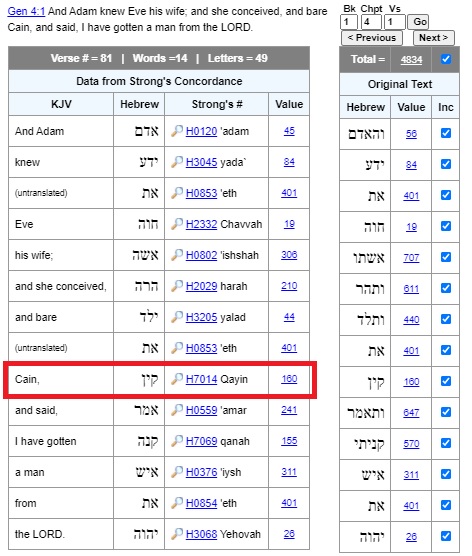
Q Who is Qayin?

1.41 is the square root of 2
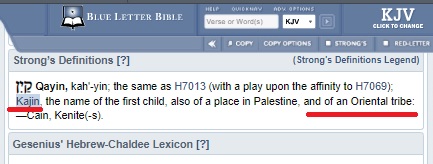
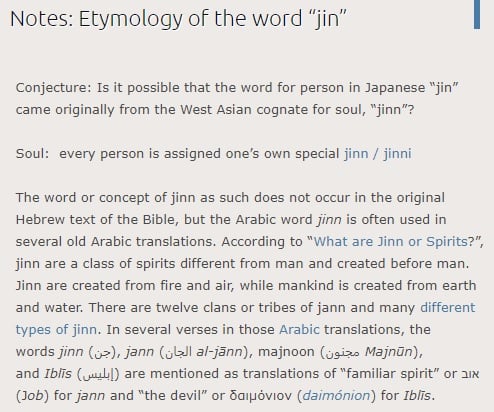
The etymology of the word shows that it is in some way from an oriental tribe.
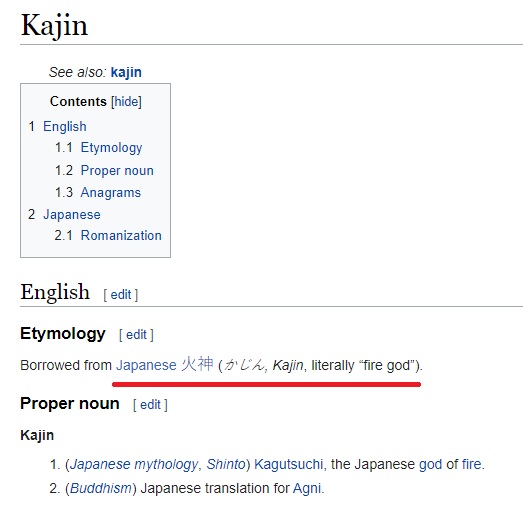
A "kajin" is literally a fire god and this comes from Japanese.
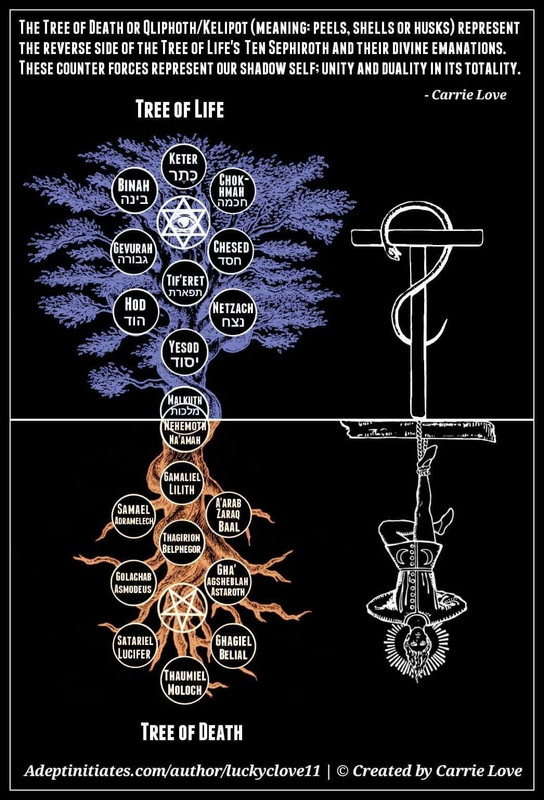
The gematria of 160, the Tree of Knowledge of Good and Evil
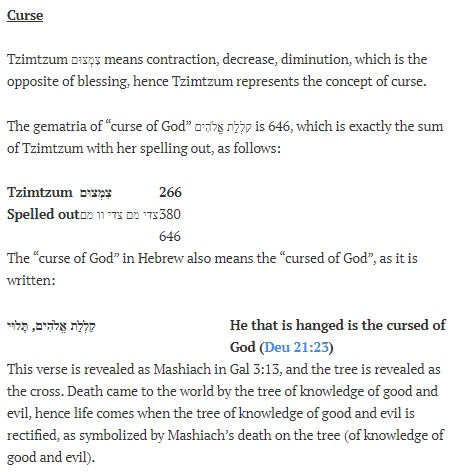
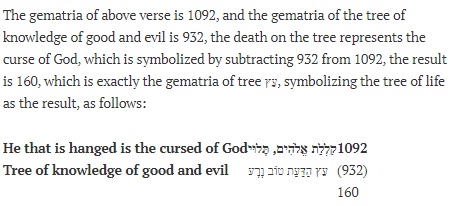
Source

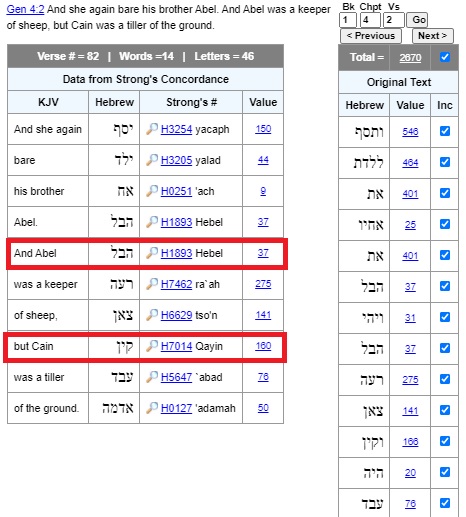
Who is Abel? The answer is in Genesis 4:2. The Hebrew word for Abel is Hebel (pronounced heh'bel). The gematria value given is 37

Bel in hebrew means lord.
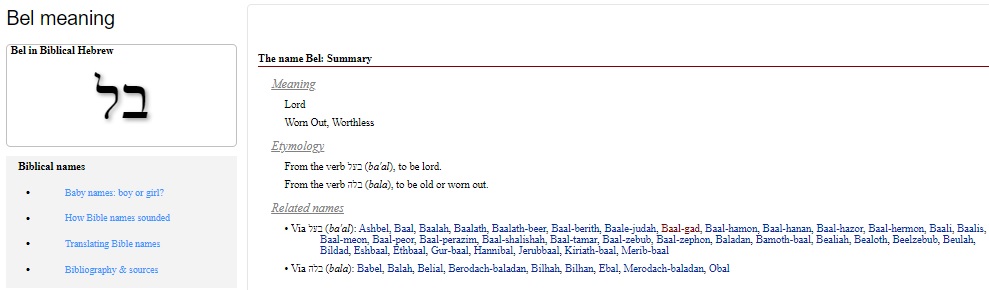
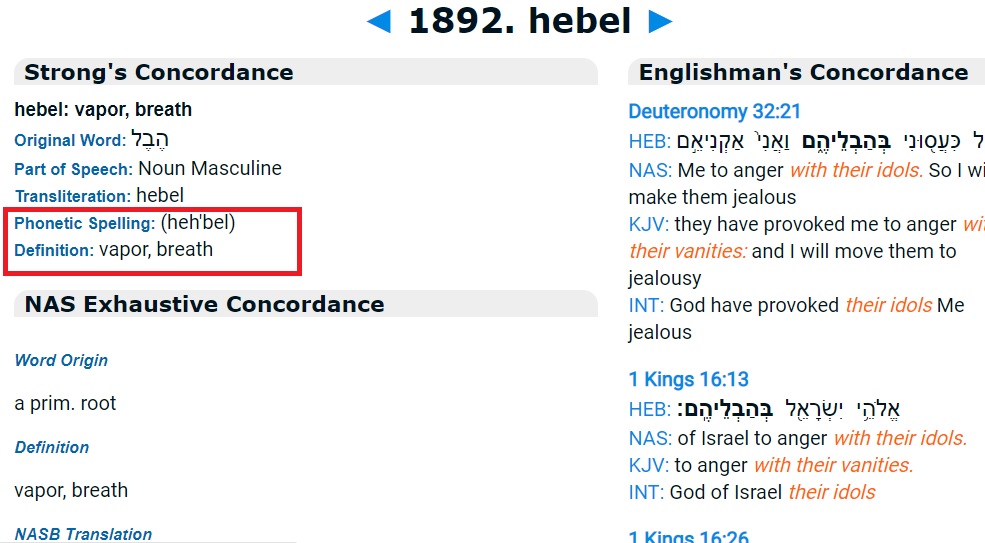
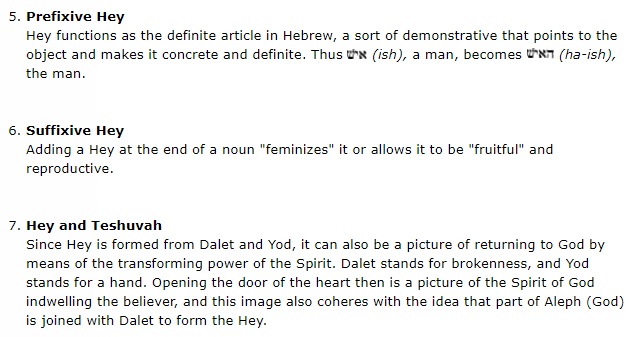
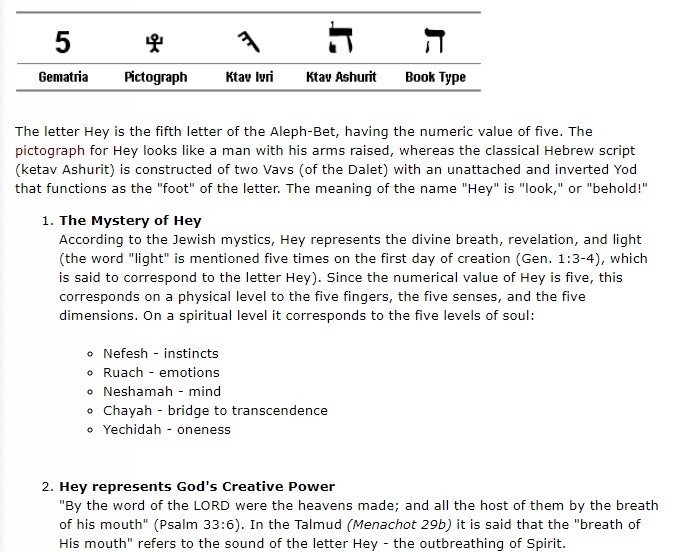
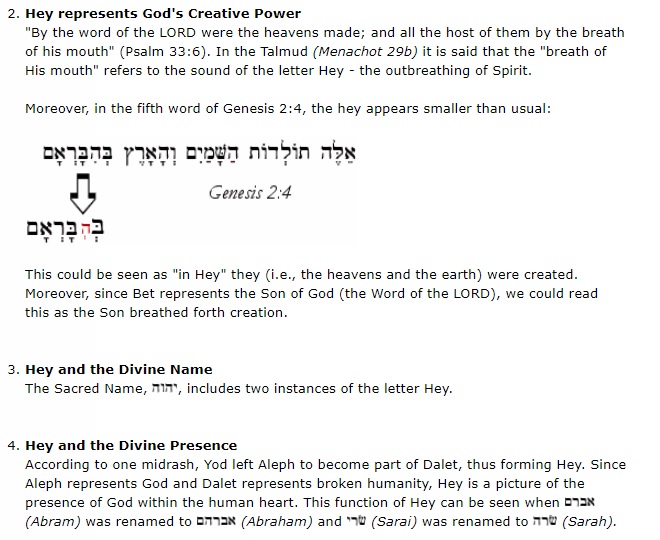
Hebel also is defined as vapor or breath. "Heh" is a sound you make when you take a breath. It also is connected to the sound of wind. It also could even mean "air" itself, an invisible object with the force of wind. Fire (Cain) consumes (kills) air (Abel).
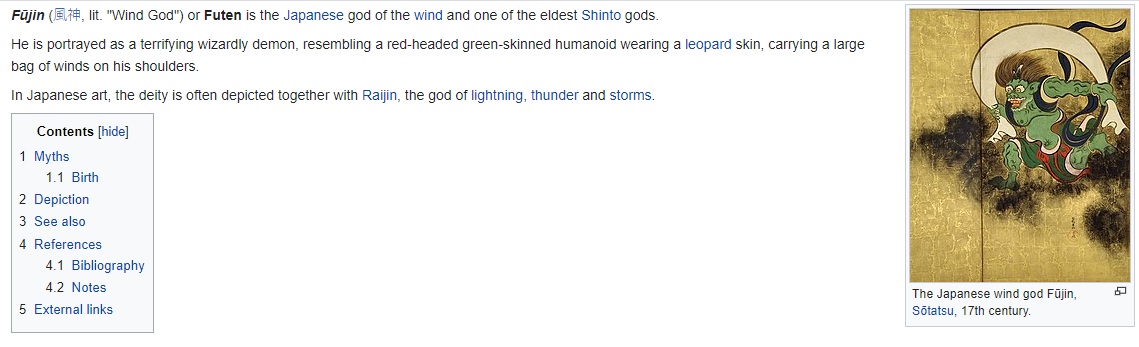
The Japanese god of wind is Fūjin. Fū means wind and could be the derivation of the last part of the word Khufu.
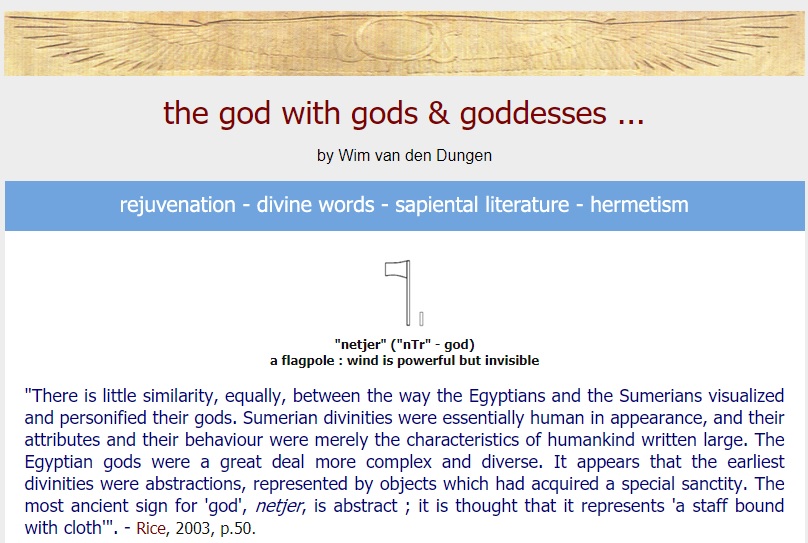
Egyptian word netjer (god) represented by a banner in wind.
What are Jinn and Spirits?

"Picture Book of a Hundred Stories" (a book about strange stories written in the Edo period) says the wind god is a noxious vapor. It floats here and there riding the wind, and gets into the opening of something, or into the gap between the warm and cold air. The wind god blows yellow-colored breath on human when he met, and if exposed to the breath, the human becomes ill. And the book also says that the breath's yellow-colored element is the humid soil. This soil is the yellow sand flown from the loess zone in China, and the yellow sand is said to have been the sign of rainy weather and an outbreak of plague from the wind. All over western Japan, meeting a sudden illness or fever outdoors is described as 'suffering from the wind,' and there exists the folklore that the wind is not a natural phenomenon but a spiritual one.

"Book of Folded Pages" (a book on the study of waka poems written in the Heian period) and "A Miscellany of Ten Maxims" (a collection of anecdotes written in the Kamakura period) both say people held rituals for soothing fujin that was believed to be the troublesome god for bringing disasters and illnesses. Tatsuta-taisha Shrine in Nara Prefecture holds the fujin festival every July 4.
Source

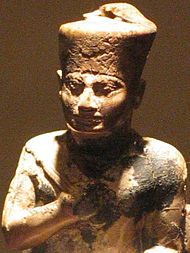
A look back at who made the pyramids: Khufu/Cheops
Notice what appears to be a sea turtle on top of the headdress. This appears to be a man of asian descent.
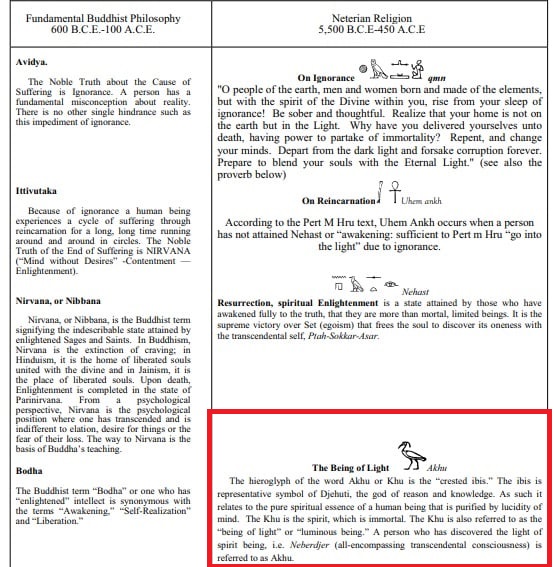
This shows that "Khu" comes from the heron. The spirit of fire/light and wind seems to be an important part of this word.
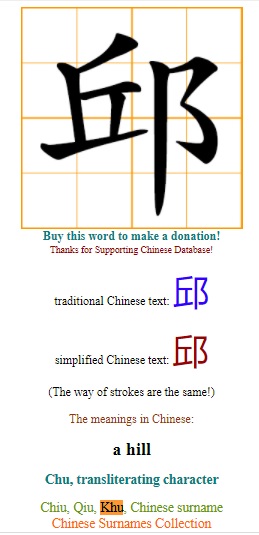
I thought this was interesting that the word is somehow connected to "hill". The sound CHIU (CHEO) also sounds like the beginning of the English spelling "Cheops". If it is "Ku", then it relates to the sound of birds in Japanese. Notice how the first character resembles a WAS scepter, which represents a heron. As I've described before, the Chinese word "Lu" (for heron) also means "way" or "path".
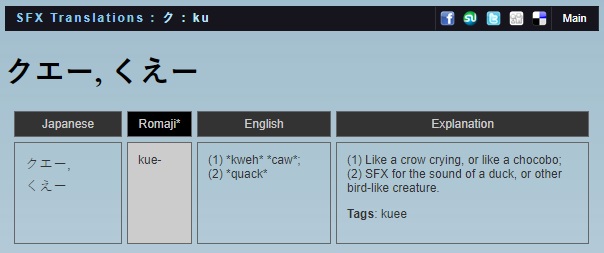
My suspicion is that the origin of the word is really asian or even Japanese.
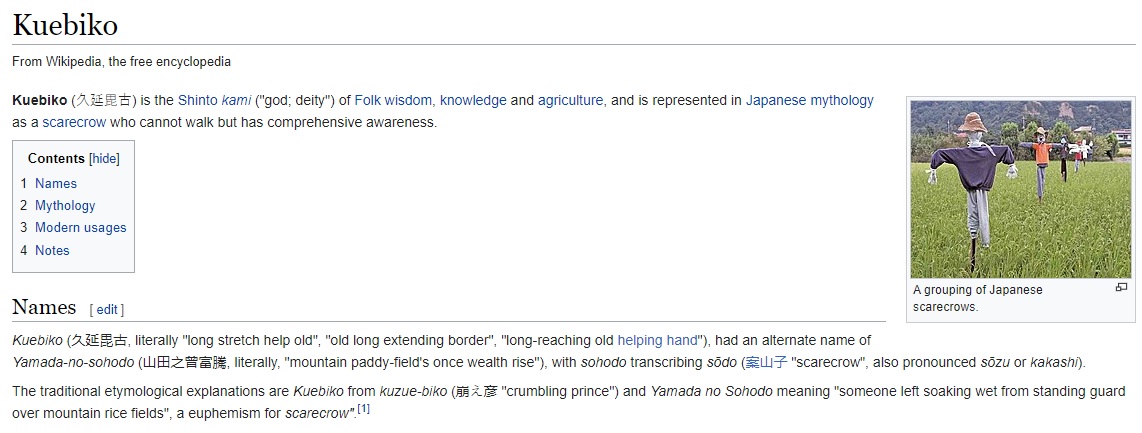
I found this out about the Japanese god KUEBIKO, which seems to have similar attributes as the Egyptian god Osiris and/or Thoth.
Q Dividing the Waters and the Return

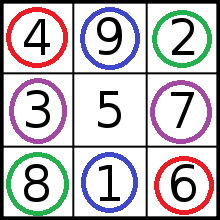
Looking at the Lo Shu square, whose top line resembles the way the Chinese write the number 42, brought my attention to this interesting aspect of the Lo Shu square (also known as Saturn's Magic Square and the Freemason's Magic Square).

All opposing numbers add up to ten. If you take the opposite of 4 and 2, you get 6 and 8. What is special about 68?

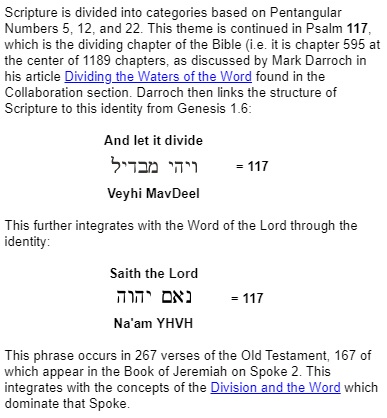
The 68th Hebrew word in the Bible is ויבדל ("divided") from Gen 1:7 when God made the firmament and divided the waters.

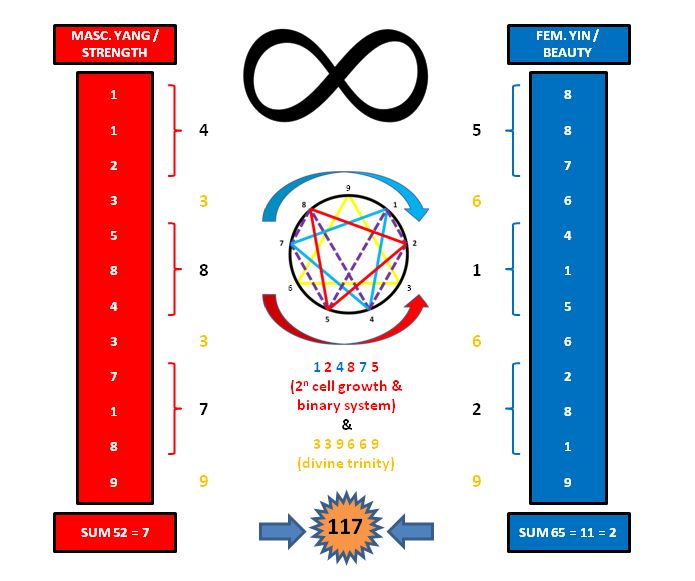
Genesis is the first book in the Bible. Genesis 1:7 stands for 117.

If you separate the numbers of the Fibonacci sequence, you find a repeating pattern of 24 numbers. The sum of this repeating pattern is 117. Also, it references the Golden ratio (1.618) because you can get to the next number in the Fibonacci sequence by multiplying the entry by 1.6.18.

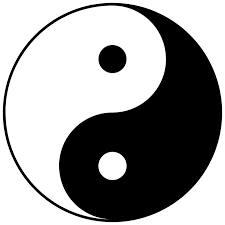
Notice how the yin and yang also appears to be two drops of water that are separated?

What is special about the number 24? 24 can be multiplied by 37 to get 888, the number of Jesus (the gematric value of Ιησους). Also, Exodus 4 (the second book, chapter four) is about Signs for Moses and Moses returning to Egypt. Moses is well known for dividing the waters.


2 x 888 =1776.


16 (AYIN) x 111 (new beginnings) = 1776.

There are some very fascinating mathematics going on in the Bible.

Dividing the Waters of the Word

Division and the Word

Source - Biblewheel Numerical Geometry

The Number 163 - Living Water


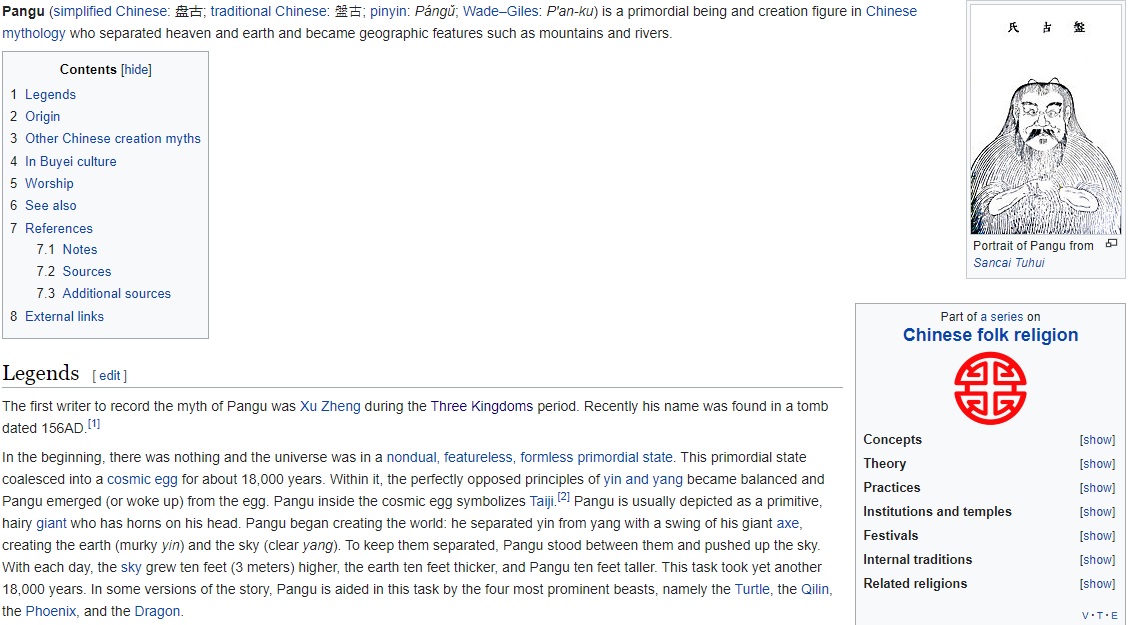
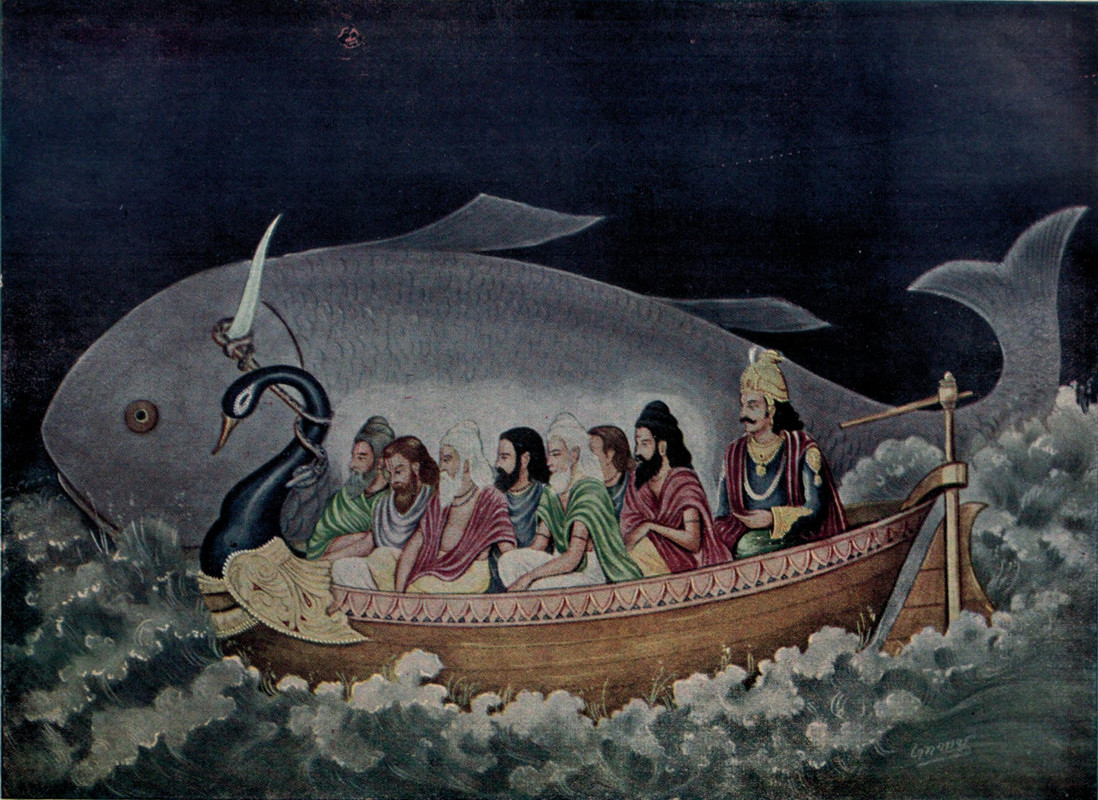
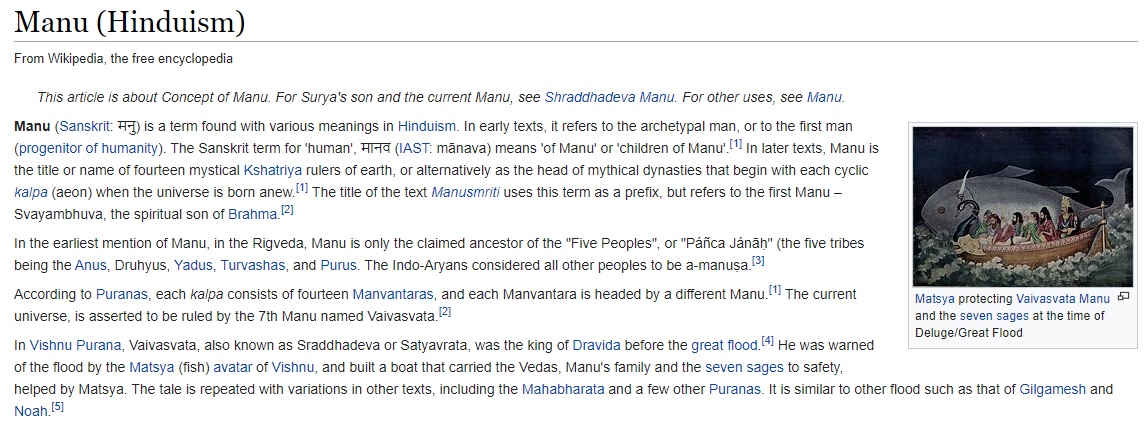
The name P-ANKU (ANKU is simliar to the ANKH) is similar to Ptah (or P-TAW or P-Tao). Are the Panku of China stories and Manu creation stories of India the same as Ptah? Is this where Immanuel (amanu-eli) comes from?

Manu - Manu, in the mythology of India, the first man, and the legendary author of an important Sanskrit law code, the Manu-smriti (Laws of Manu). ... He is also known as the first king, and most rulers of medieval India traced their genealogy back to him, either through his son (the solar line) or his daughter (the lunar line).

Panku - According to a primitive Chinese myth, at the beginning of time, the universe had the shape of an egg. When the egg broke, a giant, Pan-Ku, came out of it along with two basic elements: Yin and Yang. Yang formed the sky and Yin condensed to become the Earth. After 18,000 years Pan-Ku died. From his head were created the Sun and the Moon, from his blood the rivers and seas, from his breath the wind, and from his voice the thunder. Finally, human beings were generated from the fleas which lived on him.

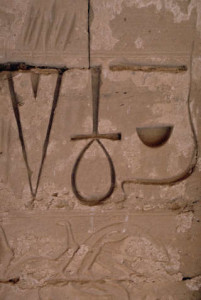
An upside-down ANKH, an Egyptian hieroglyph that symbolizes life and may also represent the cosmic egg for comparison.
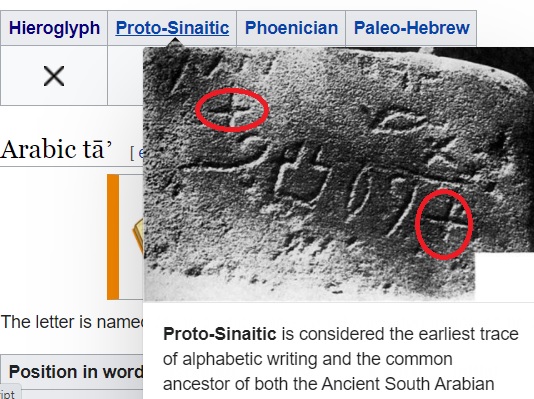
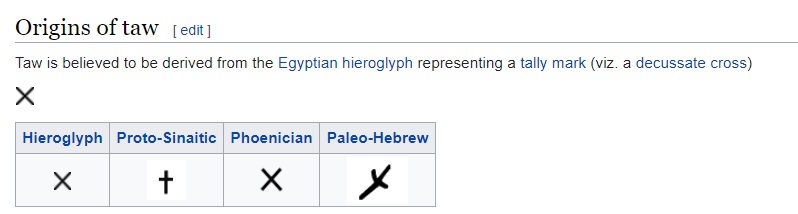
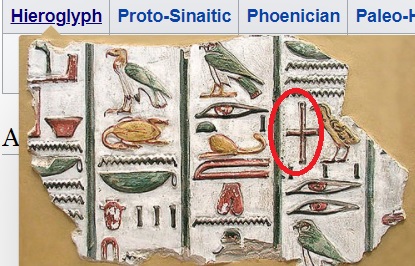
Tau, Tav, Taw, Tao, the 22nd letter in ancient Hebrew scripts

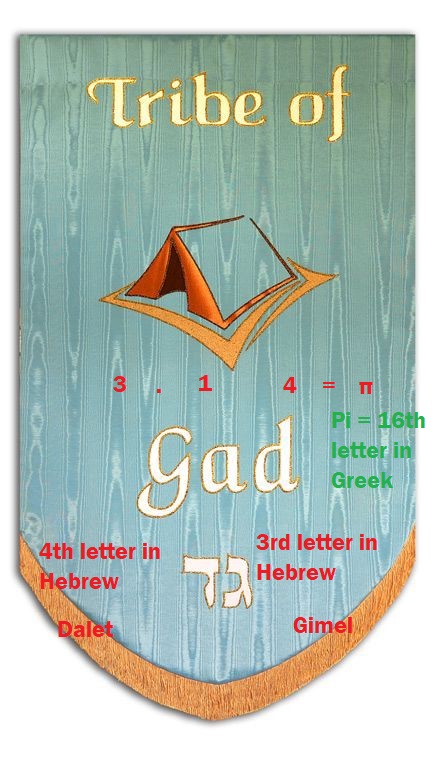
Looking back at the tribe of Gad (where the word God is derived), you can see that gamma (3rd letter), alpha (1st letter) and delta (4th letter) not only add to 8, but also represent PI (3.14). The Greek spelling also resembles the English word "Tao".

The area of a circle is Pi times the radius squared.

GAD in reverse is DAG, which means fish in Hebrew.

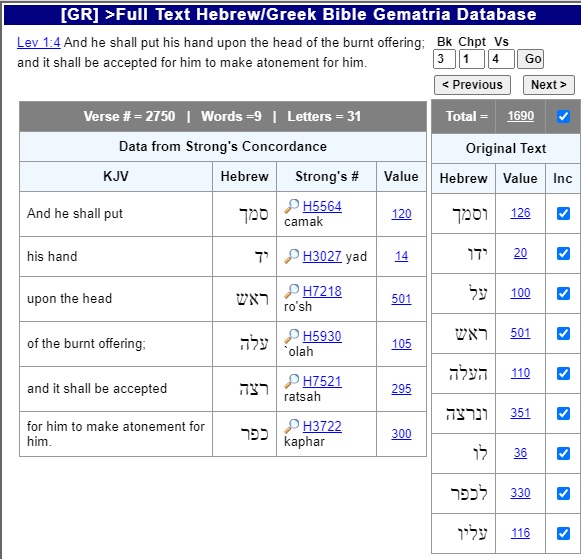
If you reverse the numbers in Hebrew, you get 413. In Hebrew, ספר החיים ("the Book of Life”) has a gematria value of 413.

Strong's Concordance 1709 shows dag is mentioned 19 times in the Bible, 19 meaning Physical Manifestation.

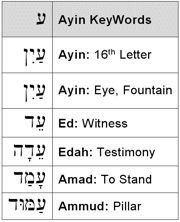
AMANU EL LEH

Number 36

The Number 36 - God's Work, Creation, the Tabernacle

"all of us" is in Hebrew אלה (el-leh) Strongs H428.


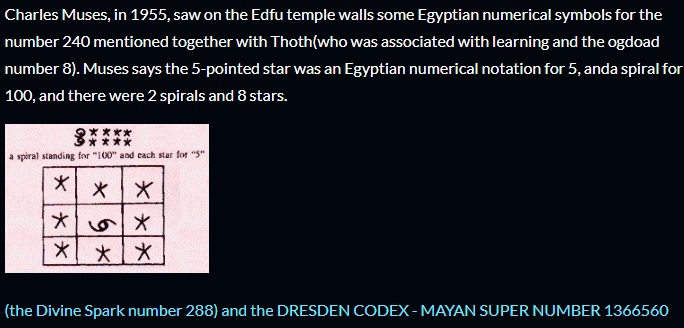
If each side represents 120 degrees, then the total would be 240 degrees.


The symbol in the center represents the cosmic egg, or two spirals going in opposite directions, each valued at 100. Instead of cancelling out, the force doubles to 200.

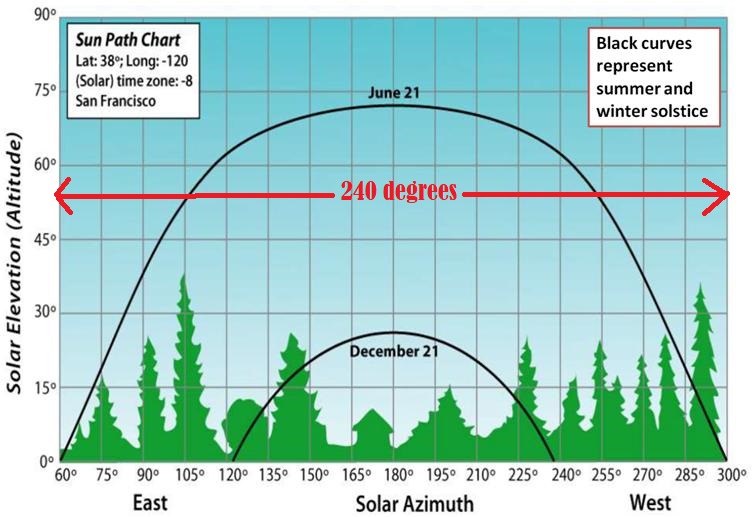
This is the sun setting at 60 degrees and setting at 300 for a total of 240 degrees. The number 240 relates to Horus, who is Ra (the sun) on the horizon.


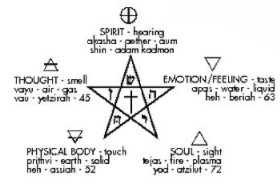
Adam Kadmon (אָדָם קַדְמוֹן, "Primordial Man"; also called Adam Elyon אָדָם עֶלִיוֹן or Adam Ila'ah אָדָם עִילָּאָה, "Supreme Man"; abbreviated as א"ק, A"K), in Kabbalah, is the first spiritual World that came into being after the contraction of God's infinite light.

Adam Kadmon

"Shin star"

The Number 300 - The Spirit of God

The Number 301 - Fire

e = 2.71

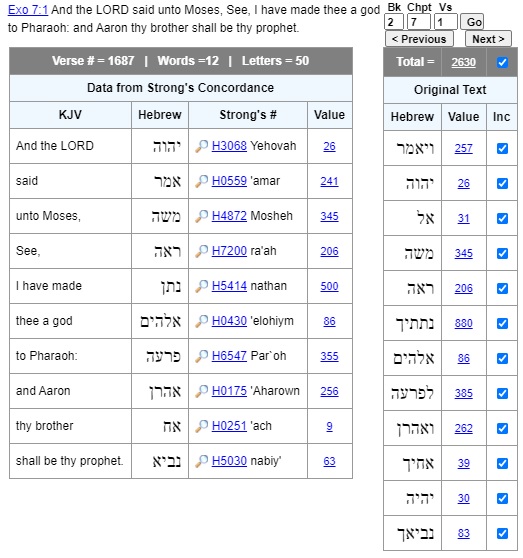
Exodus 7:1

Source

The Number 271

The number 262 is significant to e, Pi and Phi in that the first 262 digits of each add up to 1192. Refer to Q This is My Body.

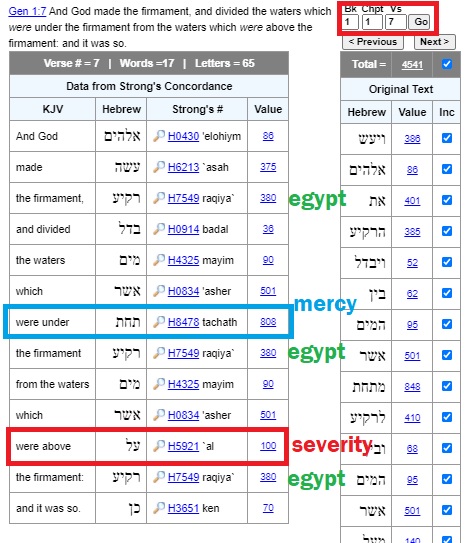
The Number 380 - Egypt (Firmament)

The Number 100 (Yoke, The Lord Will Judge, Fire and Brimstone, Severity)

The Number 808 - The Faith (Mercy)

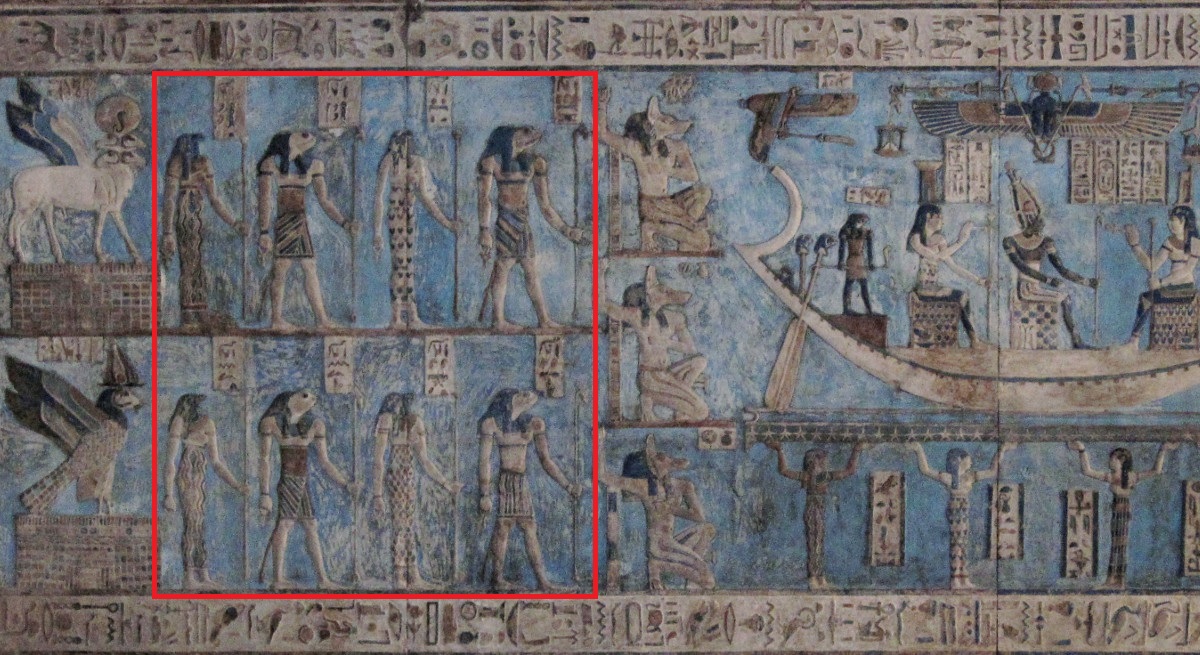
The first creation story was that the Ogdoad created an egg from which the world was born. This egg hatched, causing an explosive and brilliant golden light; the sun was born and it was called Ra, and thus the world was born.


The Return

In John's Revelation, we read concerning the return of Christ: "Behold, he cometh with clouds; and every eye shall see him," (Rev 1:7, also see Dan 7:13). The phrase "Behold, he cometh with clouds" (ιδου ερχεται μετα των νεφελων) has a gematria value of 4441.

4441 is the 603rd prime number

The first occurrence of 603 in pi begins from position 263.

The word "return" appears 263 times in the Bible (KJV)

Source - The Stars of Heaven


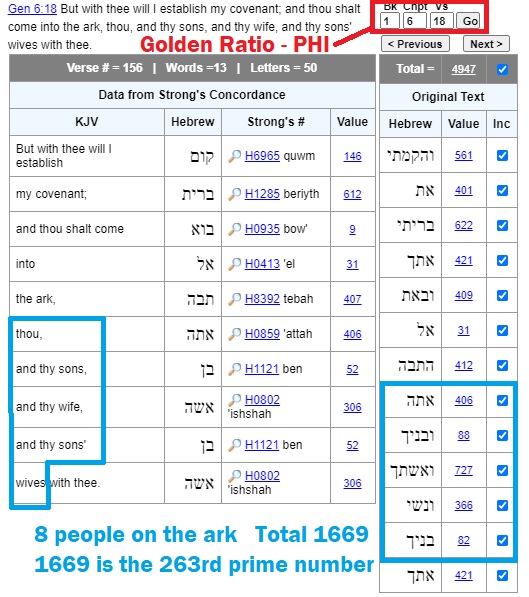
In Genesis 6:18 (1.618 is the Golden Ratio Phi), this happens. When you add the Hebrew gematria value (original text) for thou 406, and your sons 88, and your wife 727, and feminine 366, your sons 82, you get 1669, the 263rd prime number.

The origin of the word "God" is Gad. In hebrew:

גאד That is the 3rd, 1st and 4th letter of the Hebrew alphabet. Has no one noticed that is Pi?

Can someone tell me how the Golden Ratio, Phi, Pi and the Fibonacci sequence (Genesis 1:7 (or 117) tells of separating the waters) appear to be used in the Bible when the Torah was supposedly written hundreds of years before our modern mathematicians "discovered" these numbers much later than that? How is the Golden Angle displayed on tomb of King Tut?


Am I supposed to believe this is all "just a coincedence"?

Q Immanuel

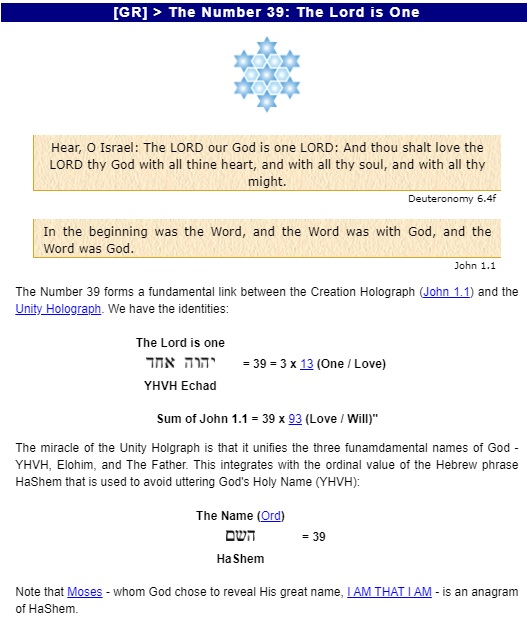
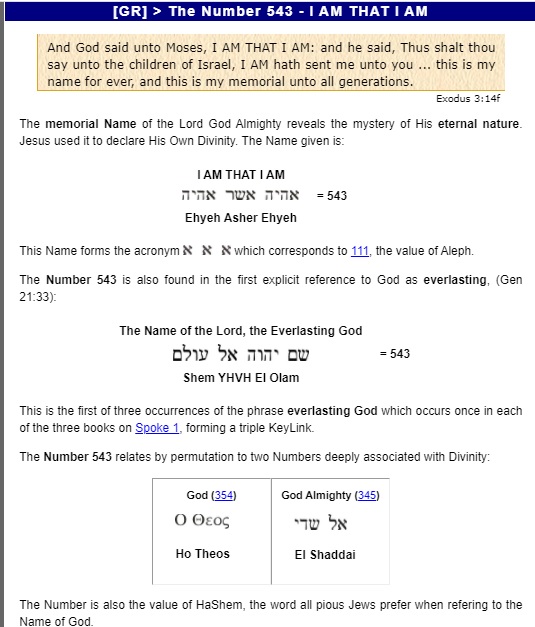
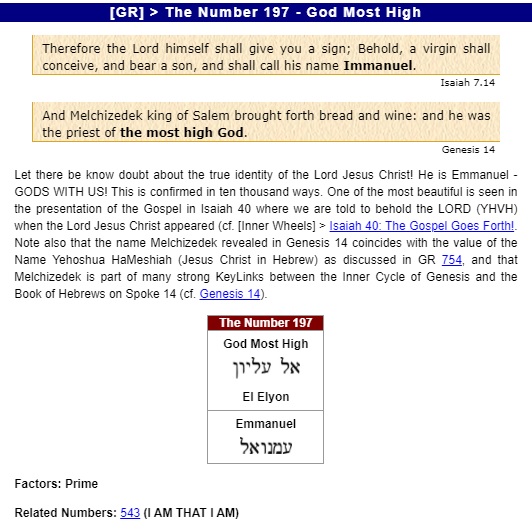
I was trying to figure out why 39 was so important in getting to the number 42 on the front and back of the one dollar bill. If you don't know what I'm talking about, search this blog for the post about "hidden code". So I went back to the entry for the number 39 on the Biblewheel website, posted here:


This led me to "the name" HaShem and I noticed the reference "Note that Moses - whom God chose to reveal His great name, I AM THAT I AM - is an anagram of HaShem."

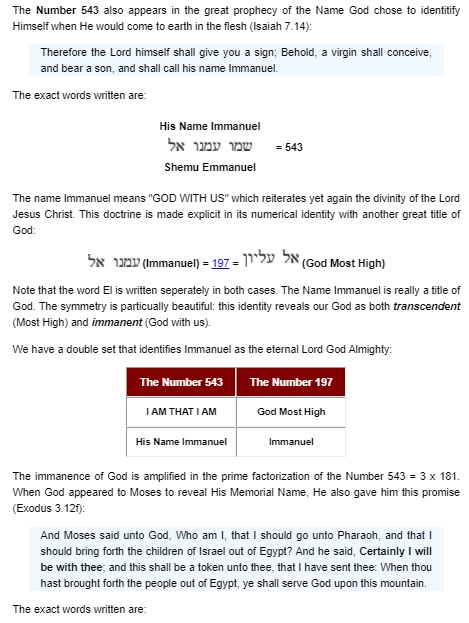
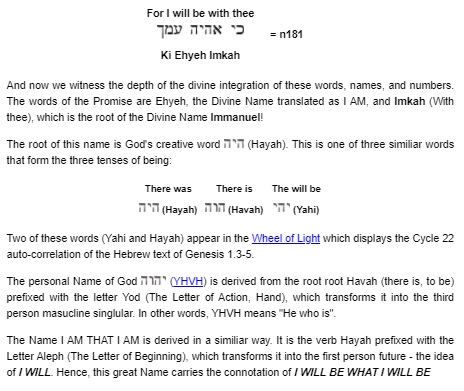
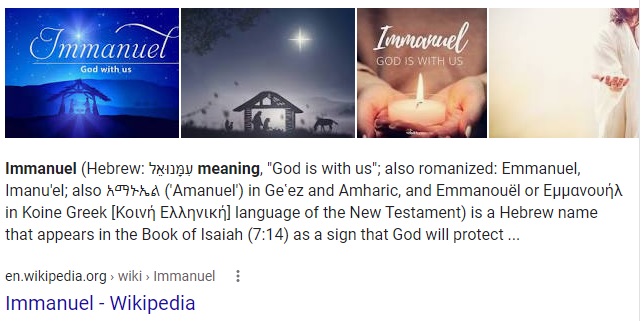
This site does a good job of explaining and I came to some realizations. I started thinking there could be some deeper meaning to "Immanuel", so I started by looking up "Immanuel meaning".

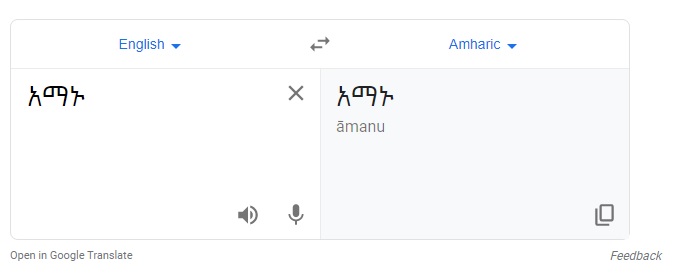
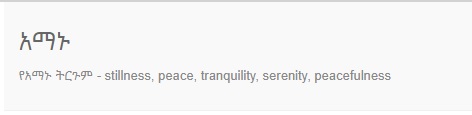
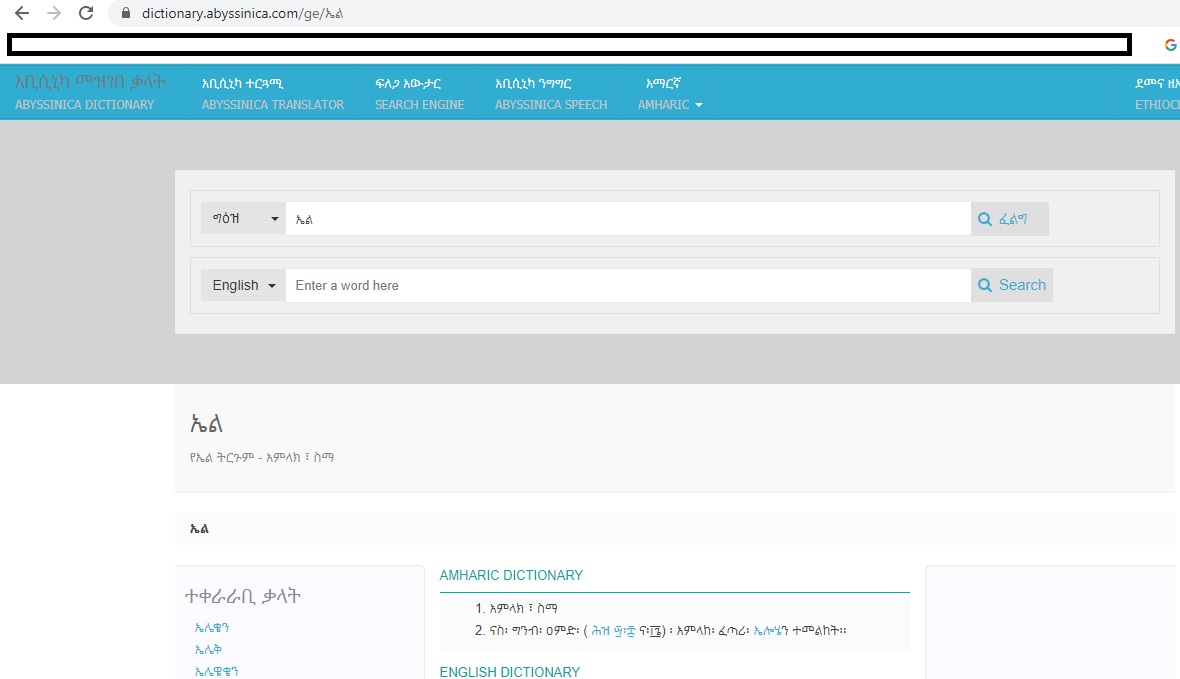
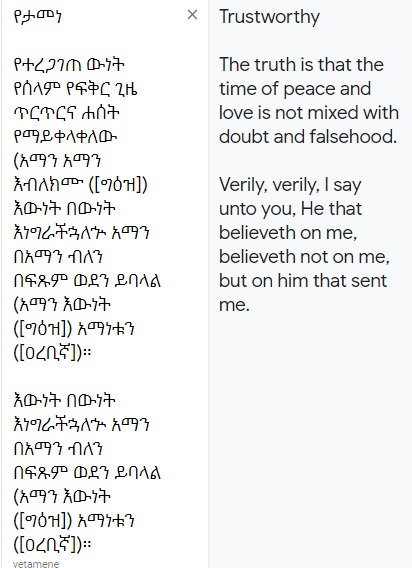
I found this very interesting, because I felt like I saw the word "Amen" or "Aman" at the root of the word. I plugged the first three letters (a, ma, nu) into this Ahmaric dictionary and received this result.

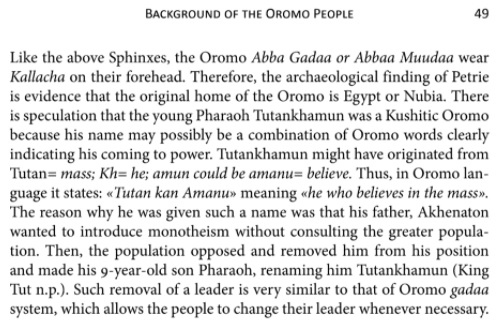
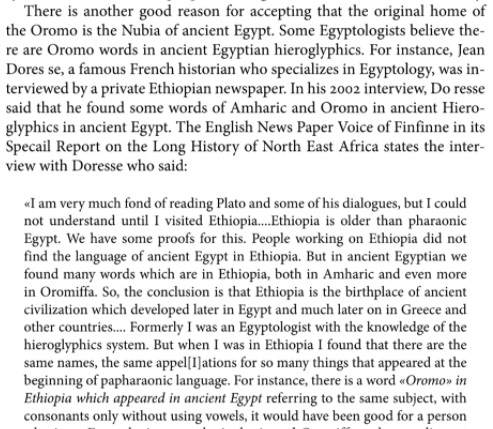
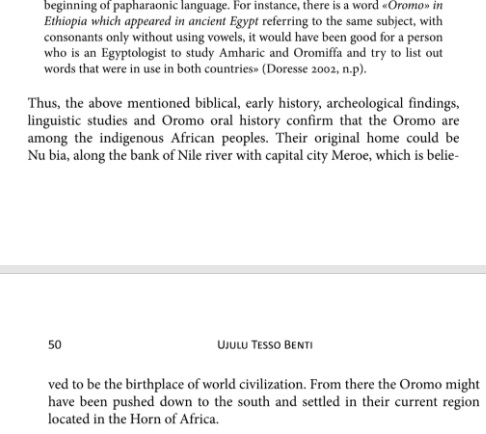
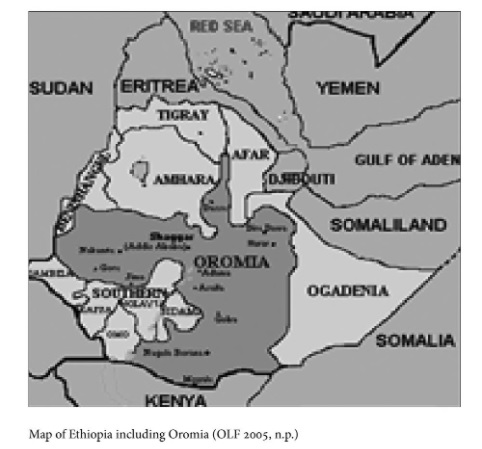
So I started looking for other references of Amanu and found a reference to the word in King Tut's name. (Tut Ankh Amun). This book suggested Amun could be derived from an Oromo word for "believe", amanu. The article also makes some other interesting connections, tying in Nubia and Meroe and that the Oromo people could have immigrated from Asia.

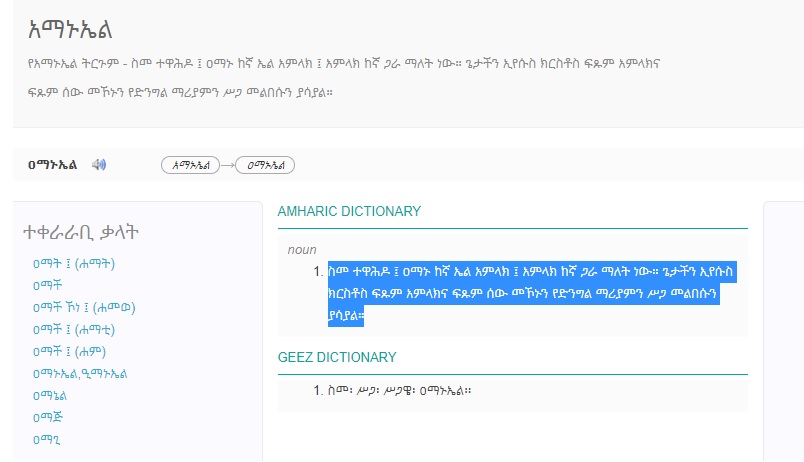
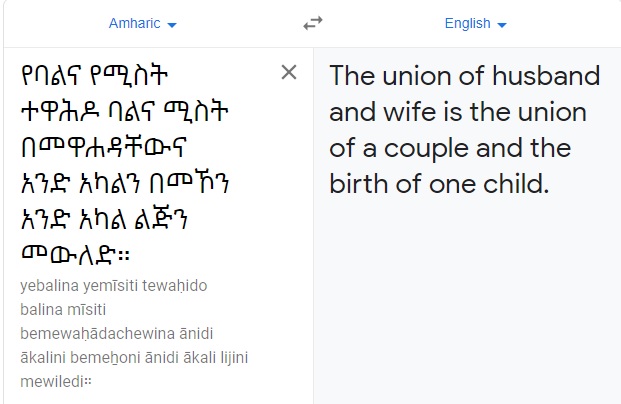
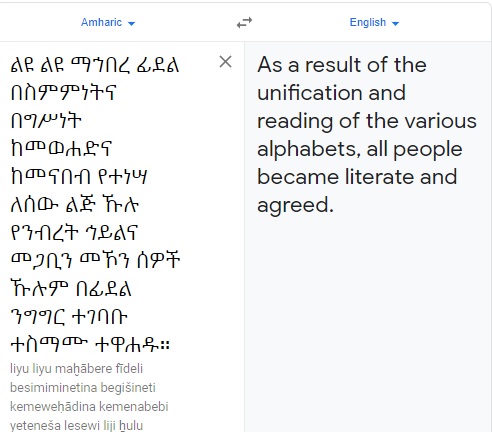
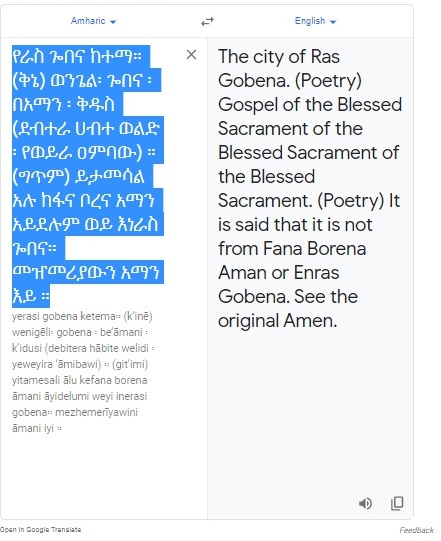
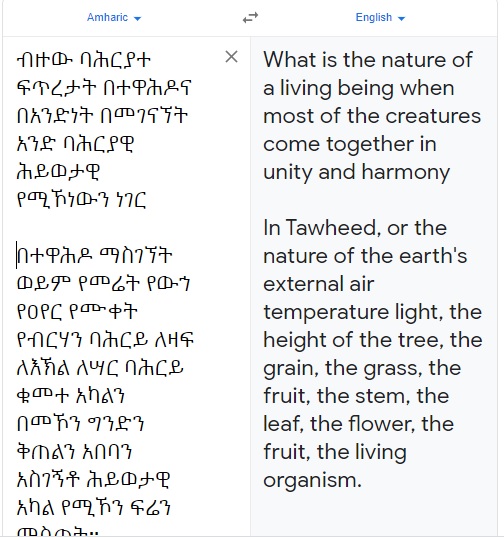
There were some interesting results. If you take the definition (in Amharic) and copy/paste them into Google translate (Ethiopian to English), the result was God: God. (Immanuel, Gabriel, Daniel, Ezekiel, Michael, Raphael, Raguel.). The next entry said "God is the Creator. Look at Gabriel and Michael, Look at Elohe." And the third one from the Geez dictionary said "Brass tower Column pillar of mourning (Ezek 40:8) See God, the Creator of the righteous, the God of the dead." There is a slight problem with the interpreter and it repeats phrases, but you have to kind of isolate different words by putting them on their own line to see what they mean.

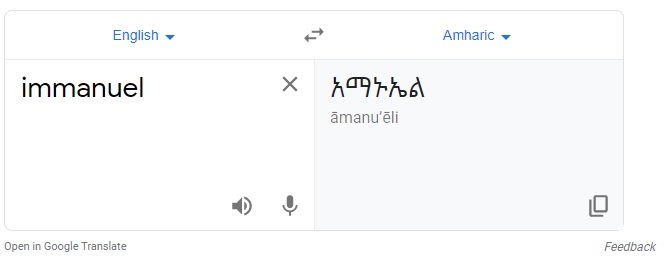
With these promising results, I tried the full word Immanuel in Ahmaric.

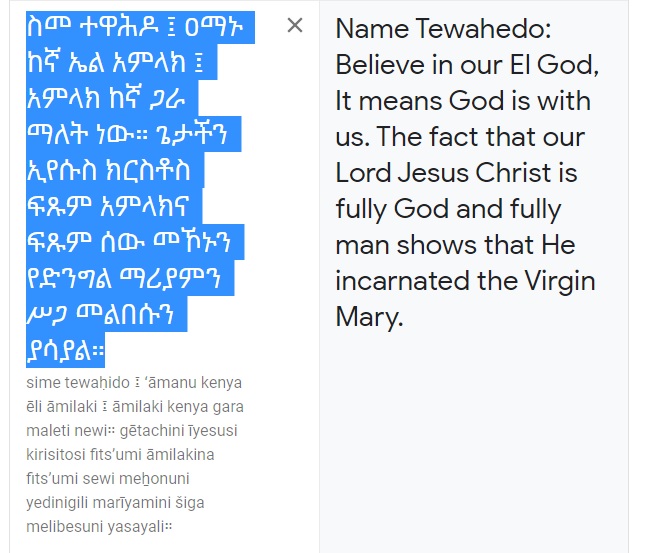
Google "Ethiopian to English" result:

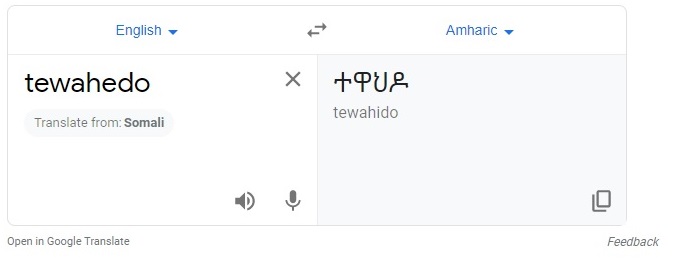
This gave me the word Tewahedo, that I did not know what it meant.

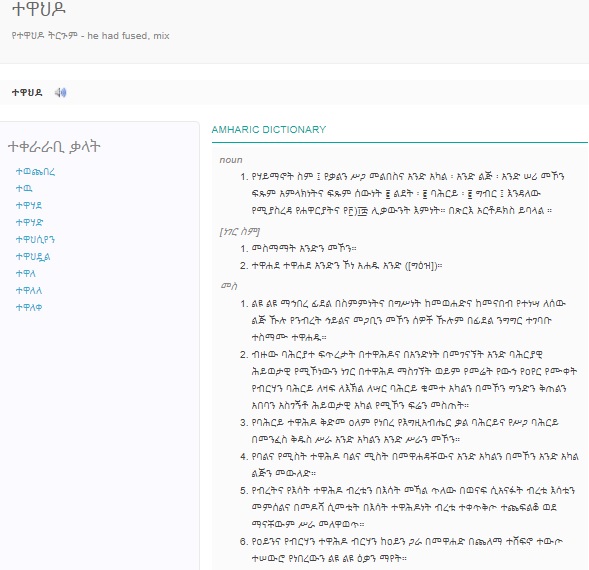
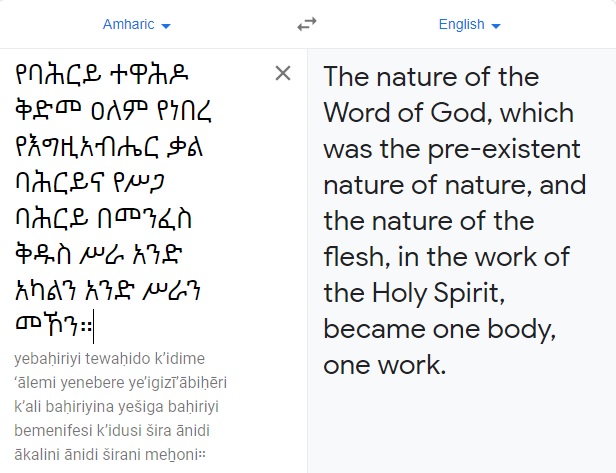
I put the new word Tewahedo (in Amharic) back into the dictionary and it returned many results.

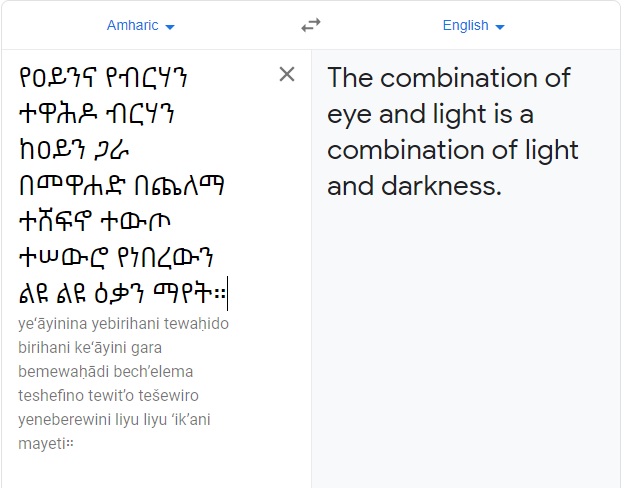
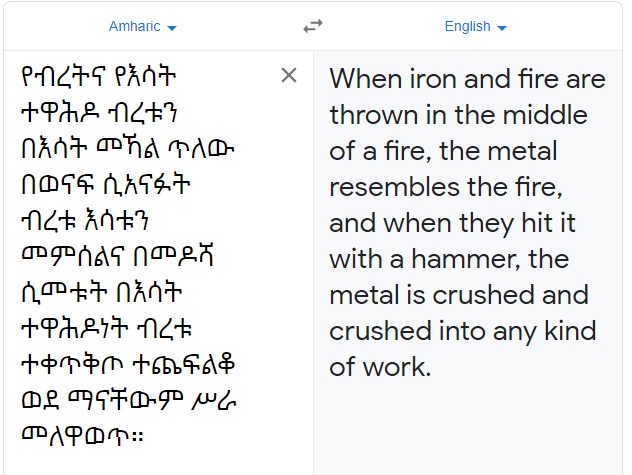
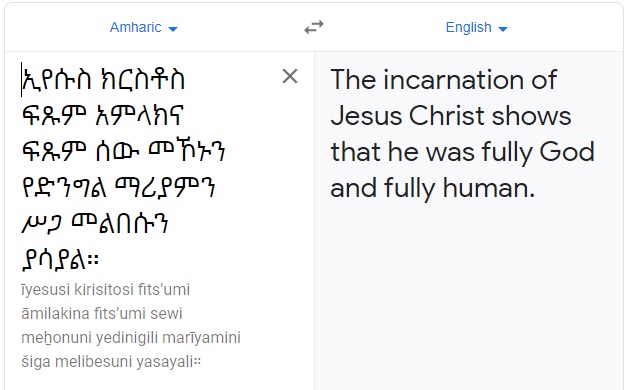
Here are many of the various entries roughly translated (some modifications to lines and spacing required).

Here were some other interesting results.

As it turns out, wikipedia says "Tewahedo (Ge'ez: ተዋሕዶ täwaḥədo) is a Ge'ez word meaning "being made one" or "unified". This word refers to the Oriental Orthodox belief in the one single unified nature of Christ; i.e., a belief that a complete, natural union of the Divine and Human Natures into One is self-evident in order to accomplish the divine salvation of humankind.

My take-away was that Tewahedo itself means integration, combination, unity or unification.


Q Adam as the "Red Man" and the 32 Marks of the Great Man

Friday, January 2, 2015 Adam Was a Red Man by Alice C. Linsley The Biblical writers recognized that the people among the...